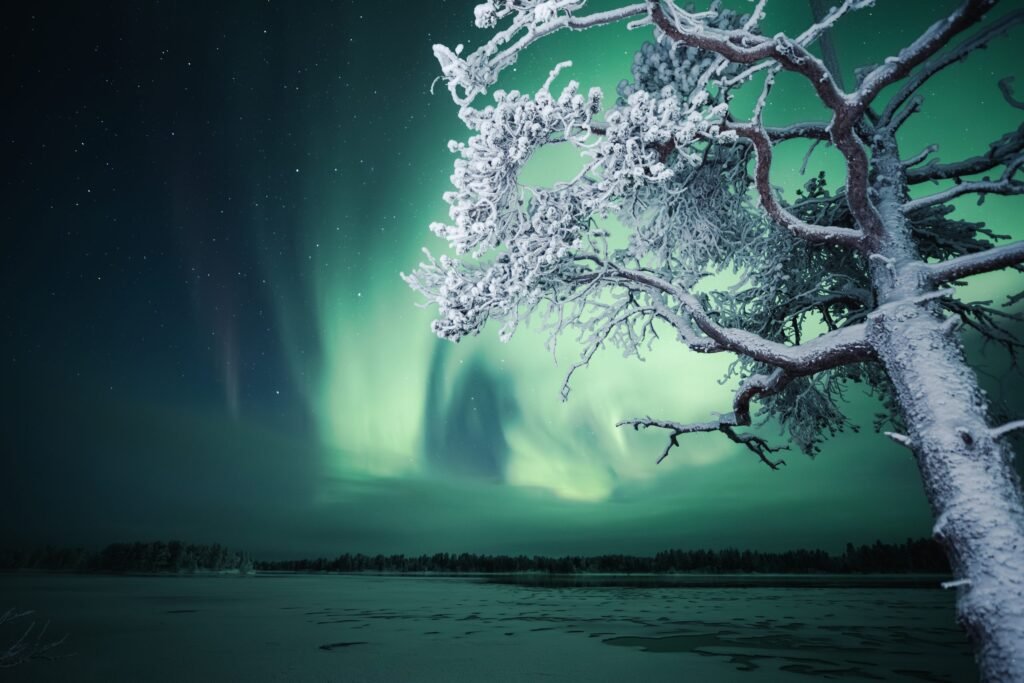
Aurora hunting
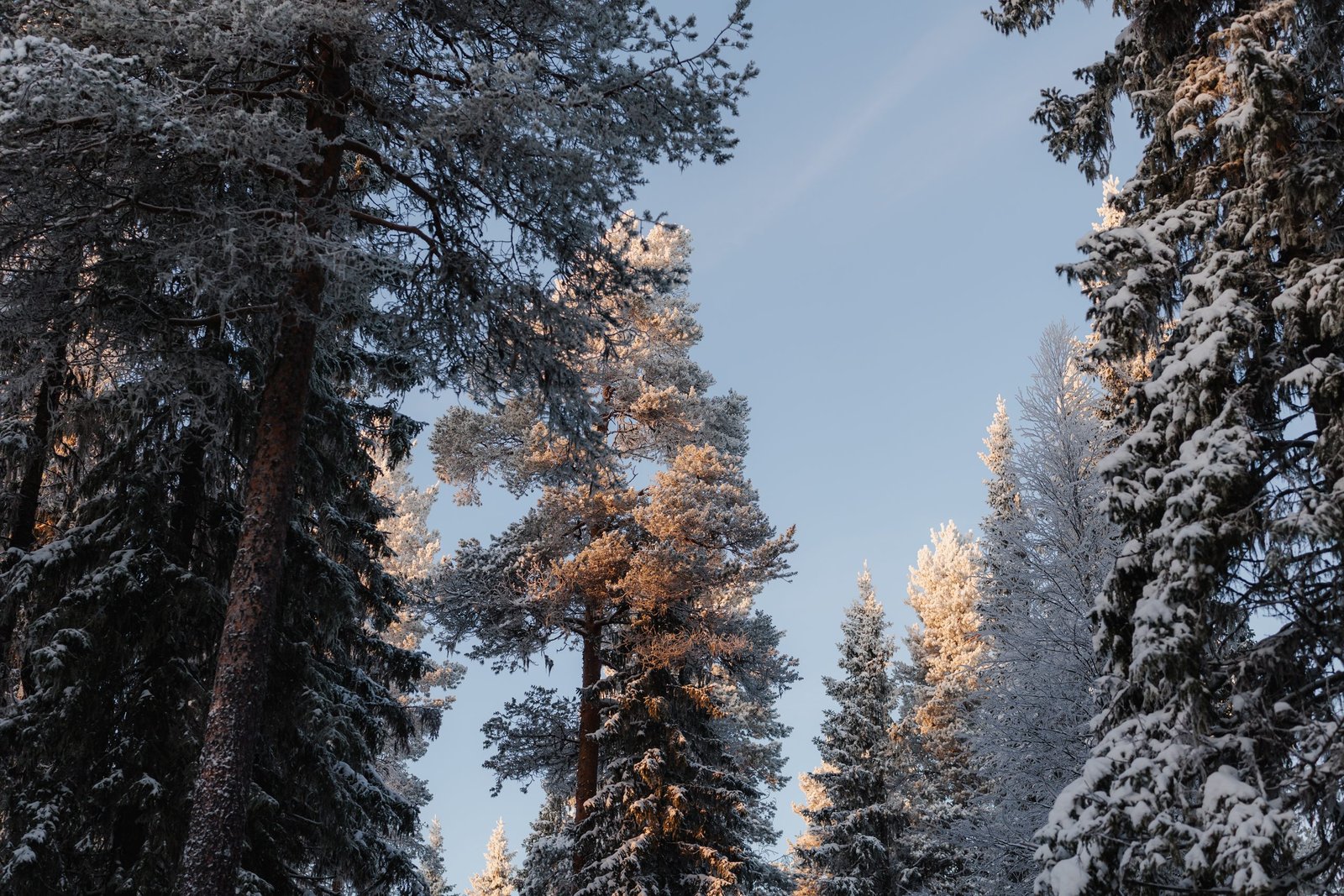
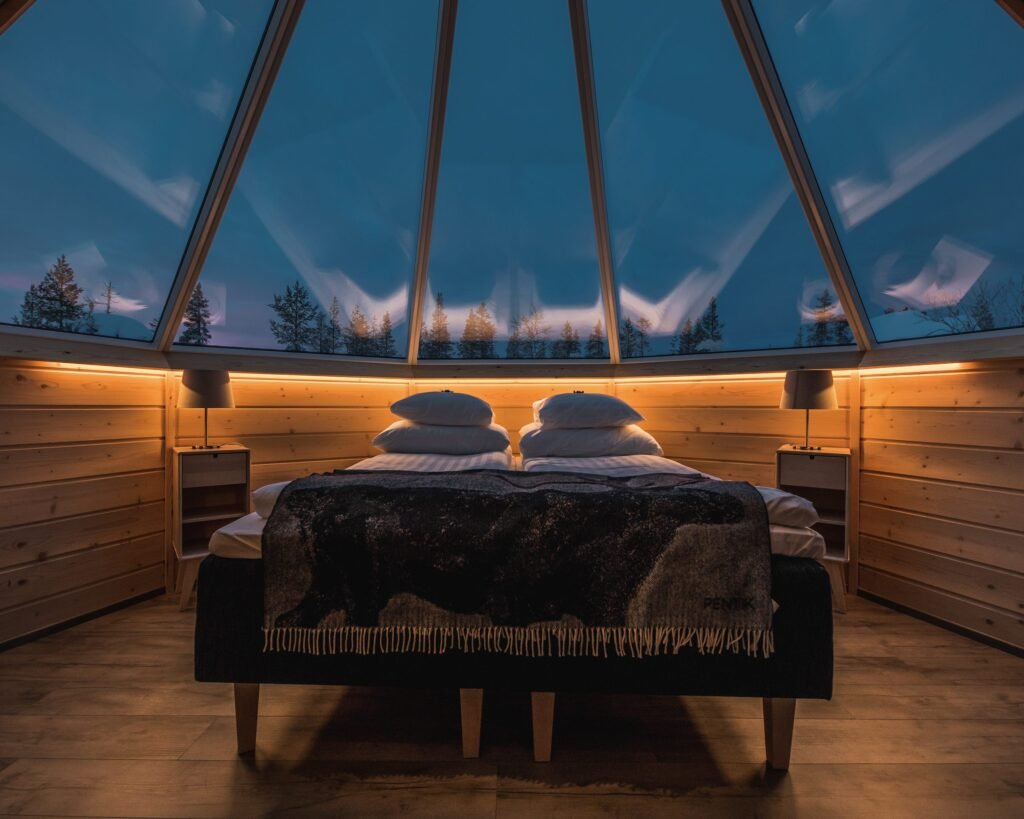
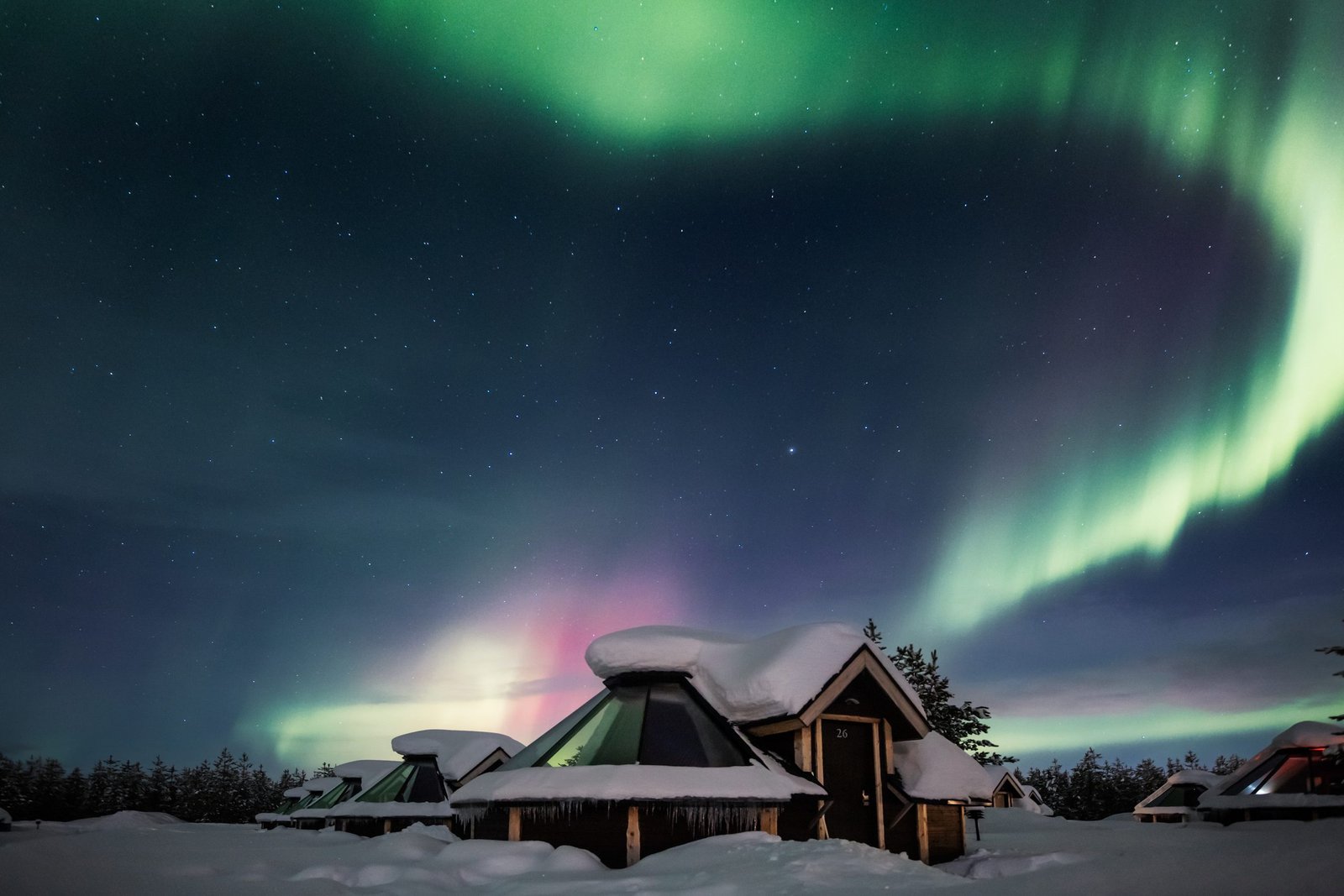
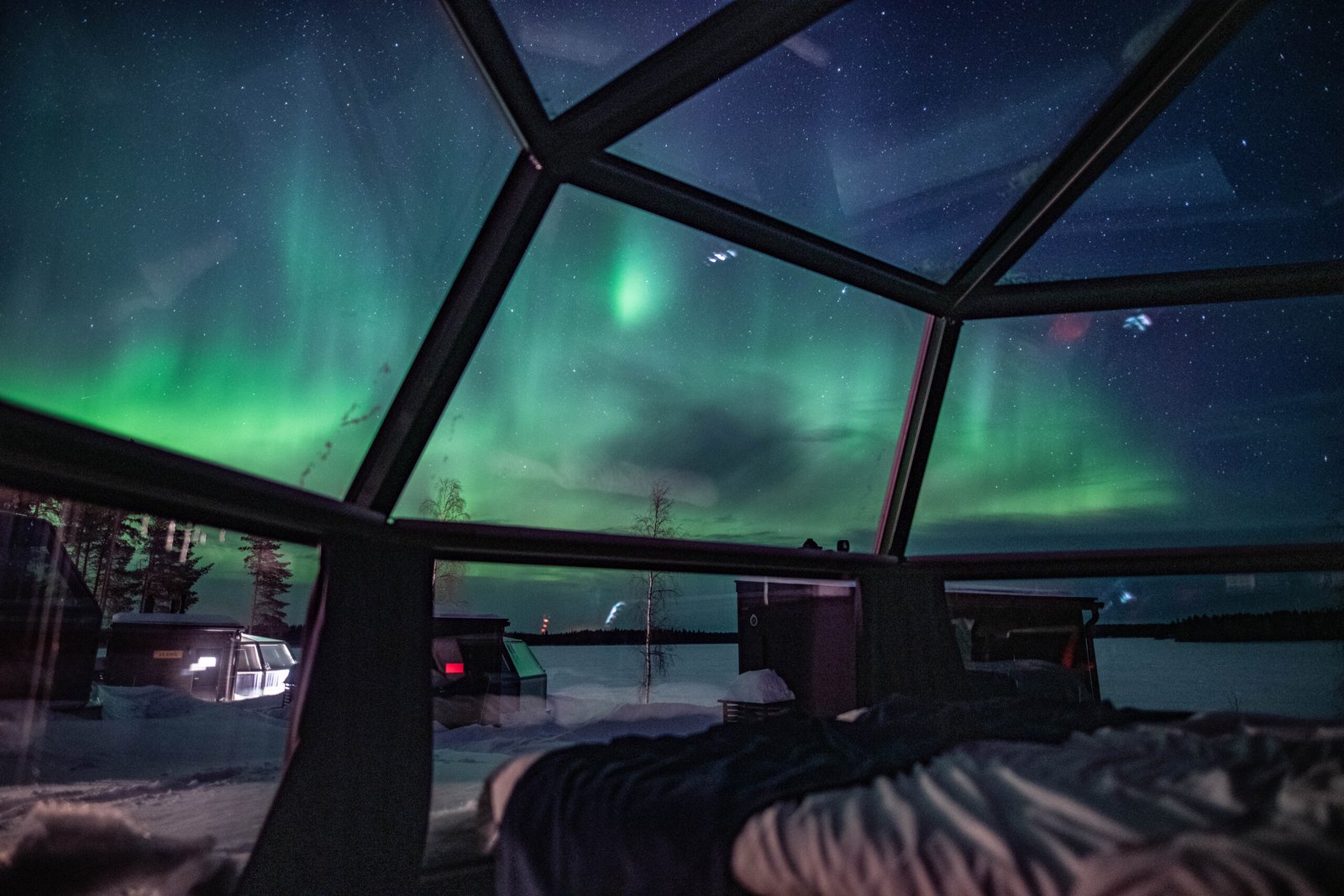
By snowmobile, heated sleigh, snowshoe or on foot with a guide — or simply from bed, under a glass roof.
ENQUIRE NOW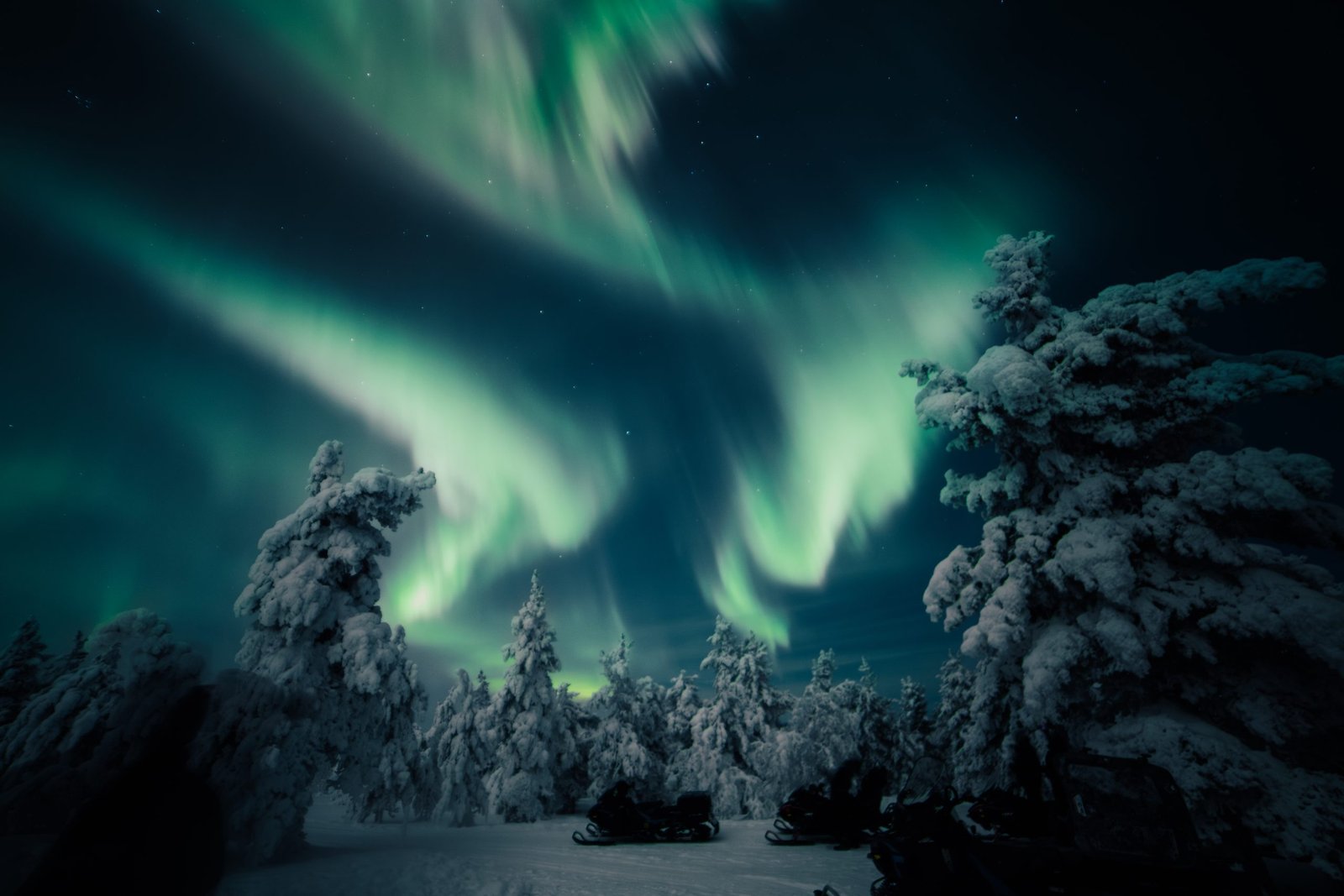
Glass roofs, aurora cabins and sled-dog days across seven contracted properties — every one of them Rahul has been to himself.
Lapland, the way we sell it
The seven properties
Saariselkä
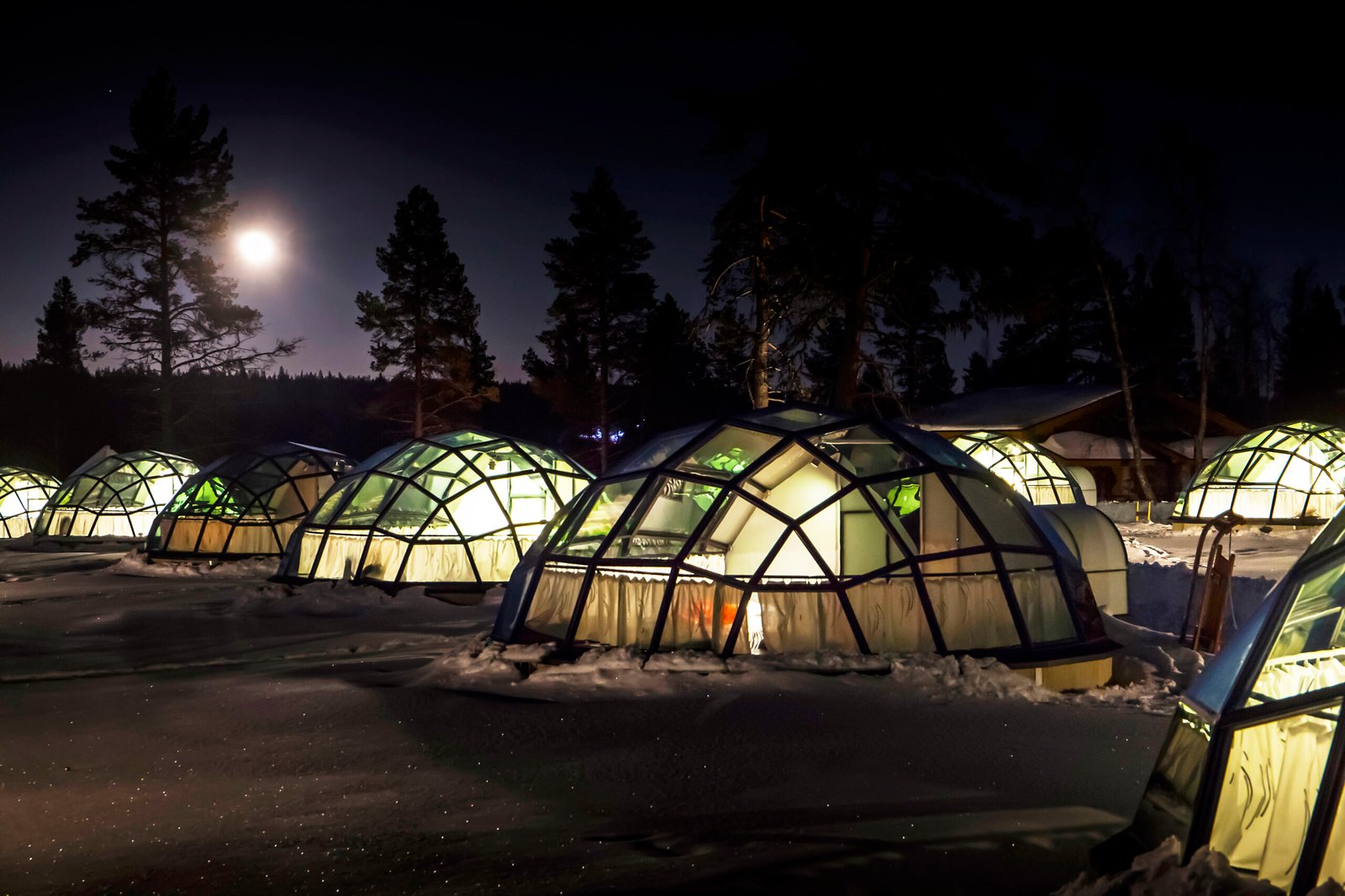
The original glass-igloo resort, and still the benchmark: every cabin and igloo has its own private sauna, and every stay carries half board and at least one activity a night.
Saariselkä · Levi · Pyhä · Ivalo
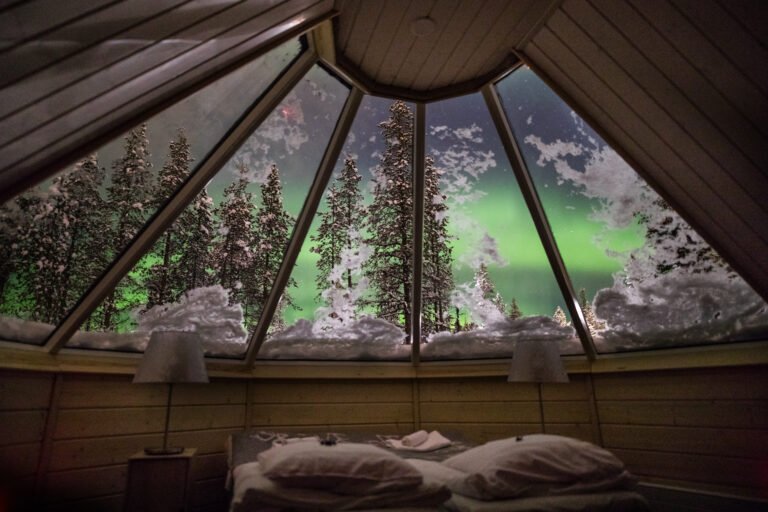
One property, four Lapland villages. A laser-heated glass roof sits directly over the bed in every category — boutique and couples-first, not a big activity village.
Ranua
Two genuinely different products under one roof: glass igloos on a silent lakeshore for couples, and two-storey holiday villas beside the resort’s own arctic wildlife park for families.
Rovaniemi · 66°33′ N
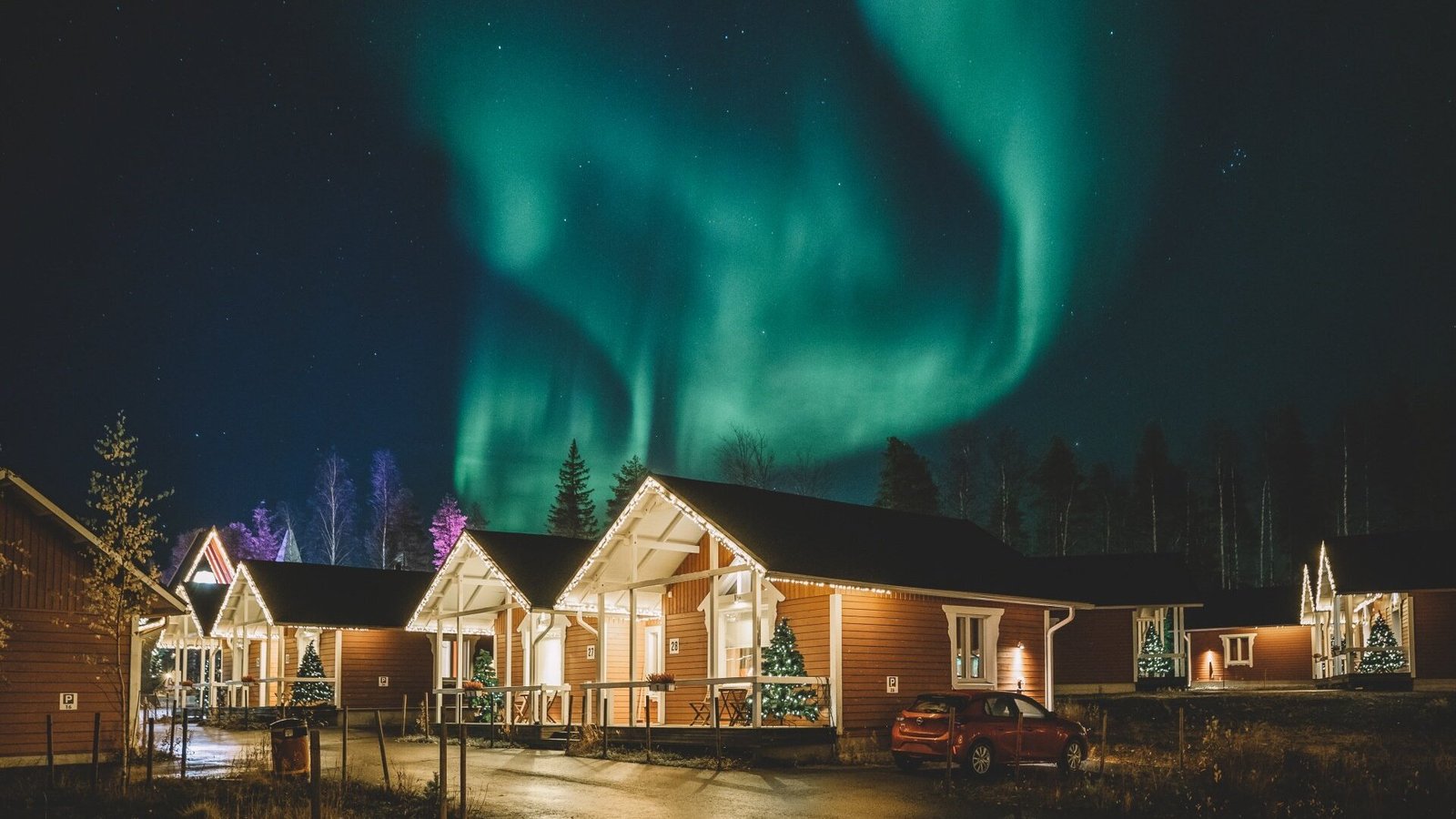
171 apartment-style cottages and suites inside Santa Claus Village itself, each with a private sauna. The most-requested Lapland moment — meeting Santa — is a short walk, not a day trip.
Sinettä · Rovaniemi
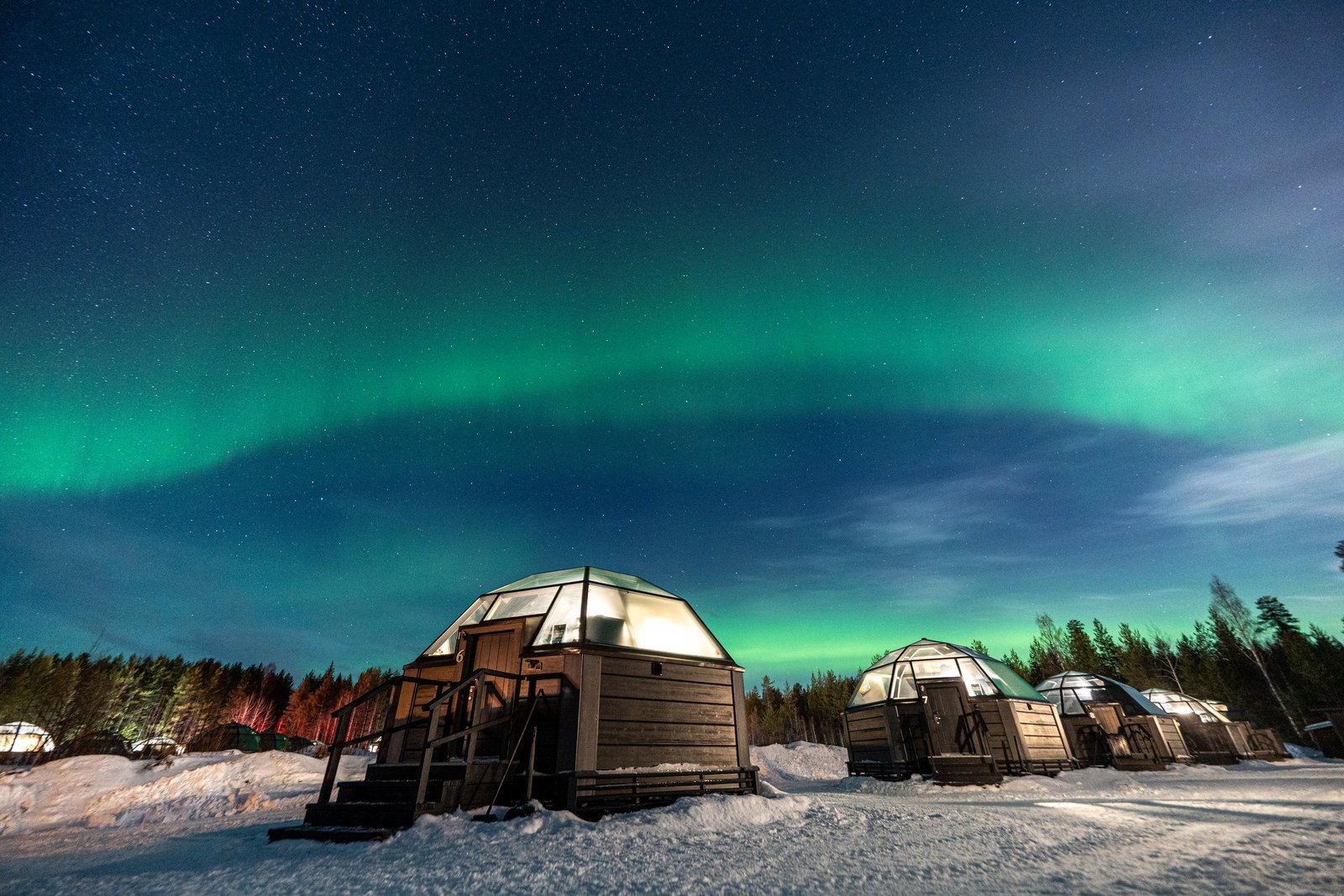
Two properties on one site: a room carved new from snow each winter and held between 0 and −5°C, or a heated glass igloo at 20°C. Every igloo has an aurora alarm, and a guide watches the sky all night.
Levi
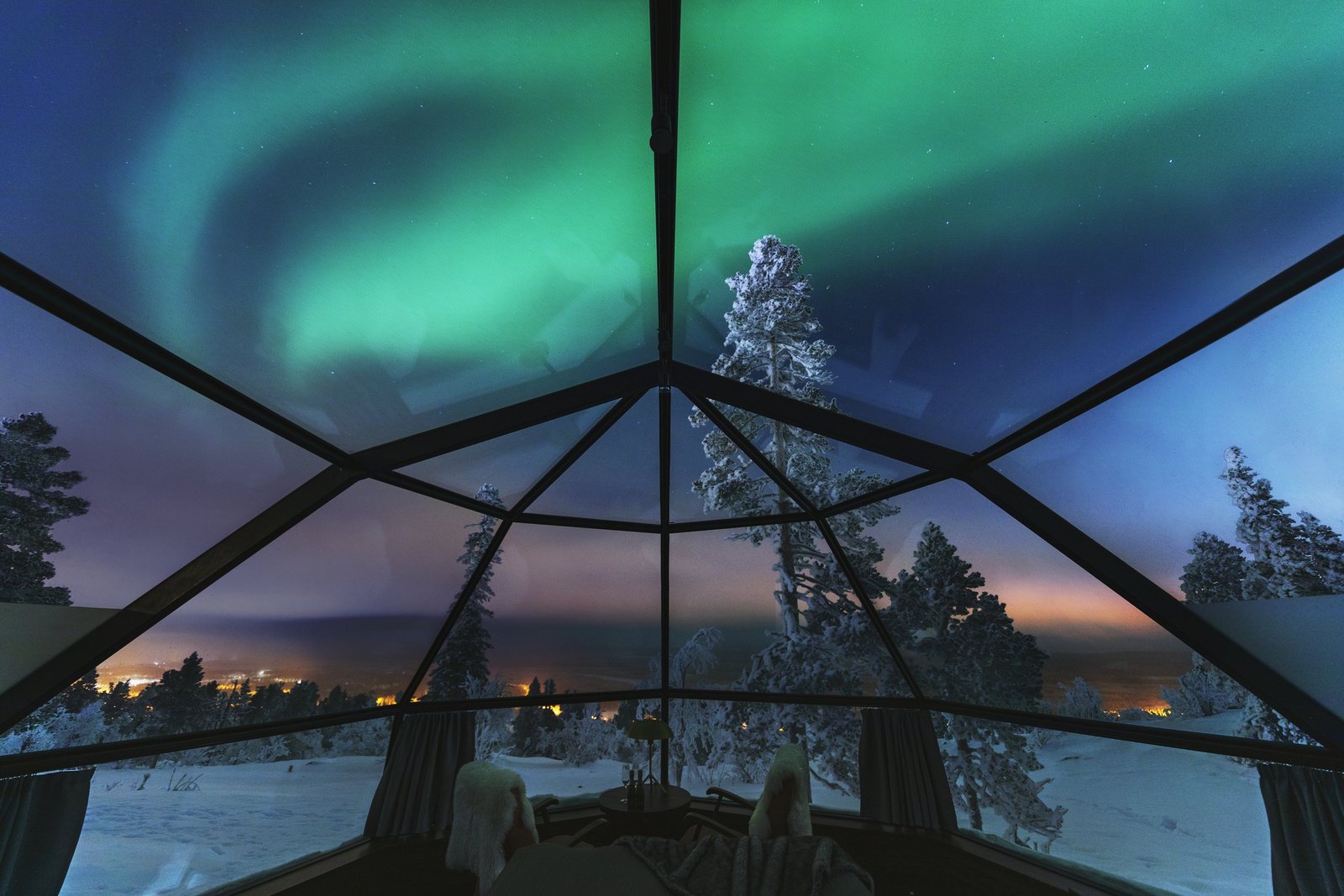
Twenty-seven glass igloos on the slope of a fell, ten kilometres above Levi, with the valley in front of them. Family-owned and small: a private sauna and outdoor jacuzzi booked as your own slot, and dinner under the glass roof of its own restaurant.
Santa Claus Village · Rovaniemi
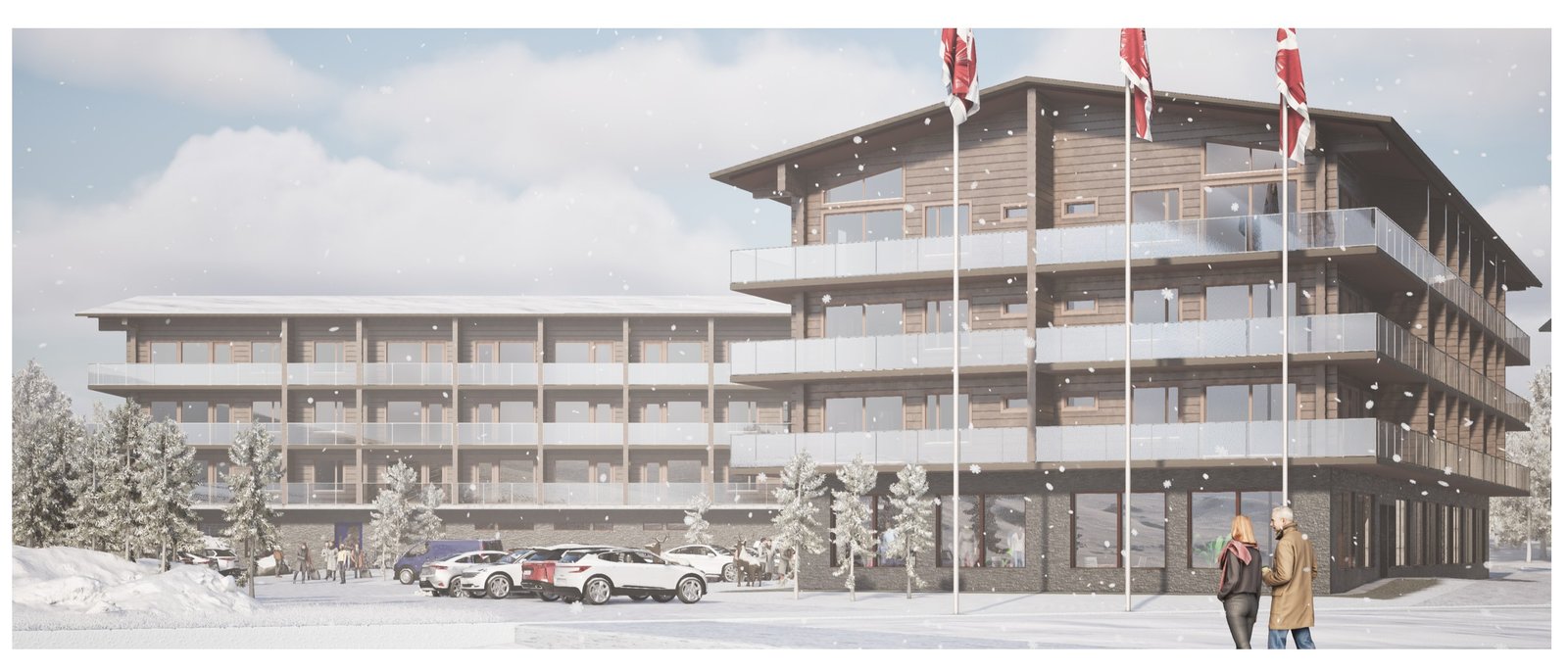
A new apartment-hotel on the Arctic Circle, two hundred metres from Santa’s office. Four suite types, from a 29 m² suite for two with its own sauna to one that sleeps seven across two separate sleeping areas.
Rahul has been to every one of the seven himself. The shortlist you get back is first-hand — including which of them isn’t the right fit for your trip.
Beyond the shelf
Not every trip fits one of the seven. These are the places we place people ourselves — described by what they are and where they are, because the relationship is ours to carry.
Central Rovaniemi
Self-catering apartments in the middle of Rovaniemi, with the shops, the restaurants and the river on foot.
See where you’d stay →Central Rovaniemi
Luxury self-catering apartments in the middle of Rovaniemi, with the museums, the square and the restaurants on foot.
See where you’d stay →Kemijärvi
A freshly renovated boutique hotel in the centre of a working Lapland town, rather than in a resort — darker skies, closer to the fells.
See where you’d stay →Sample itineraries
Real, published itineraries from three of the seven — a starting point to react to, not a fixed product. Rahul builds the flights, transfers and the nights either side around whichever one you like.
The days between dark skies
By snowmobile, heated sleigh, snowshoe or on foot with a guide — or simply from bed, under a glass roof.
ENQUIRE NOW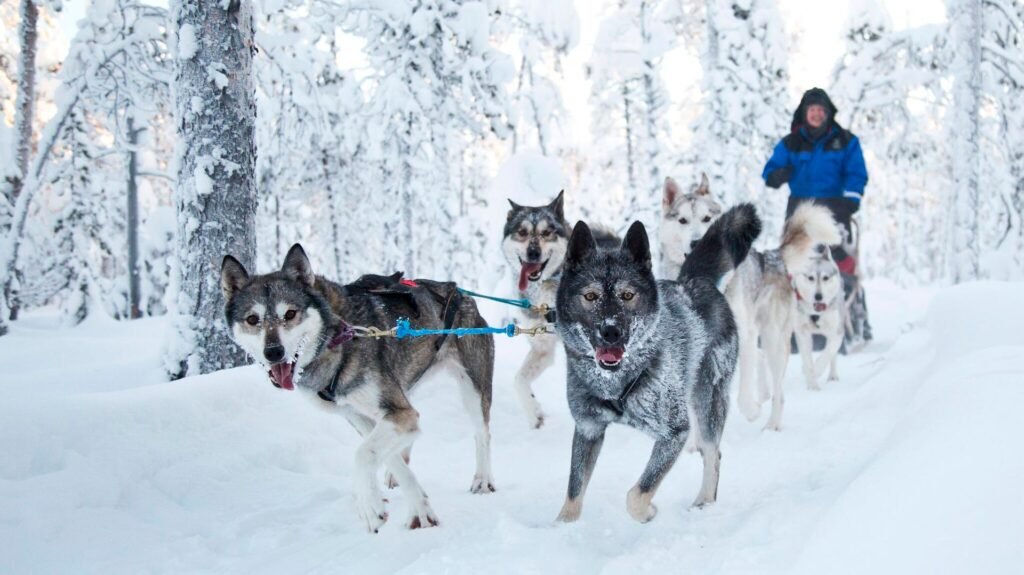
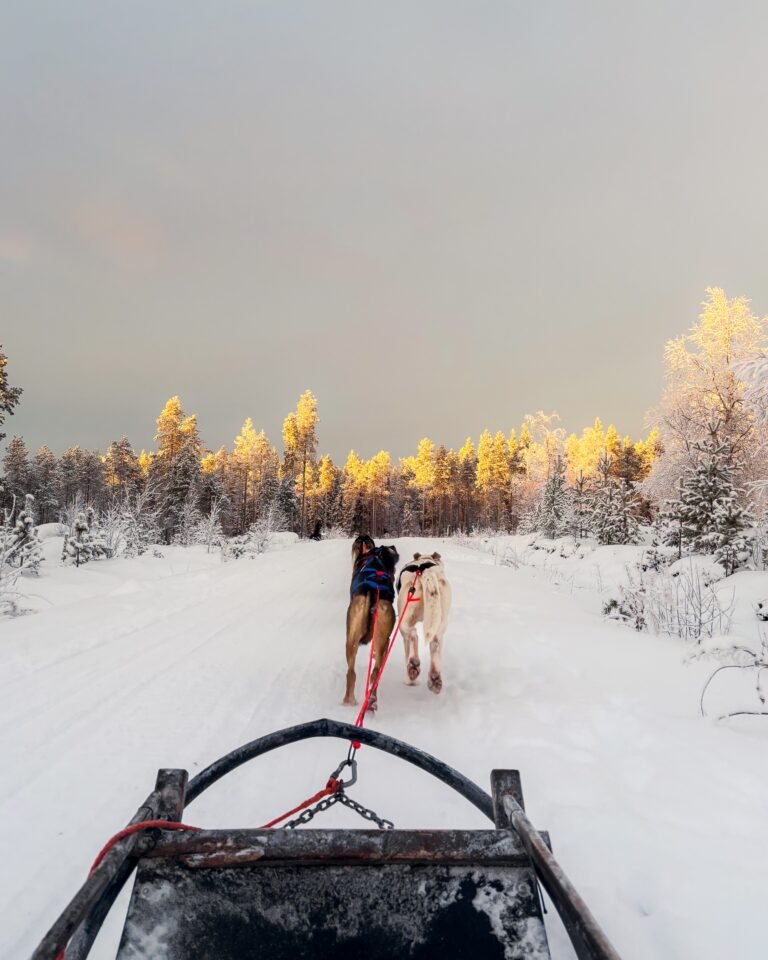
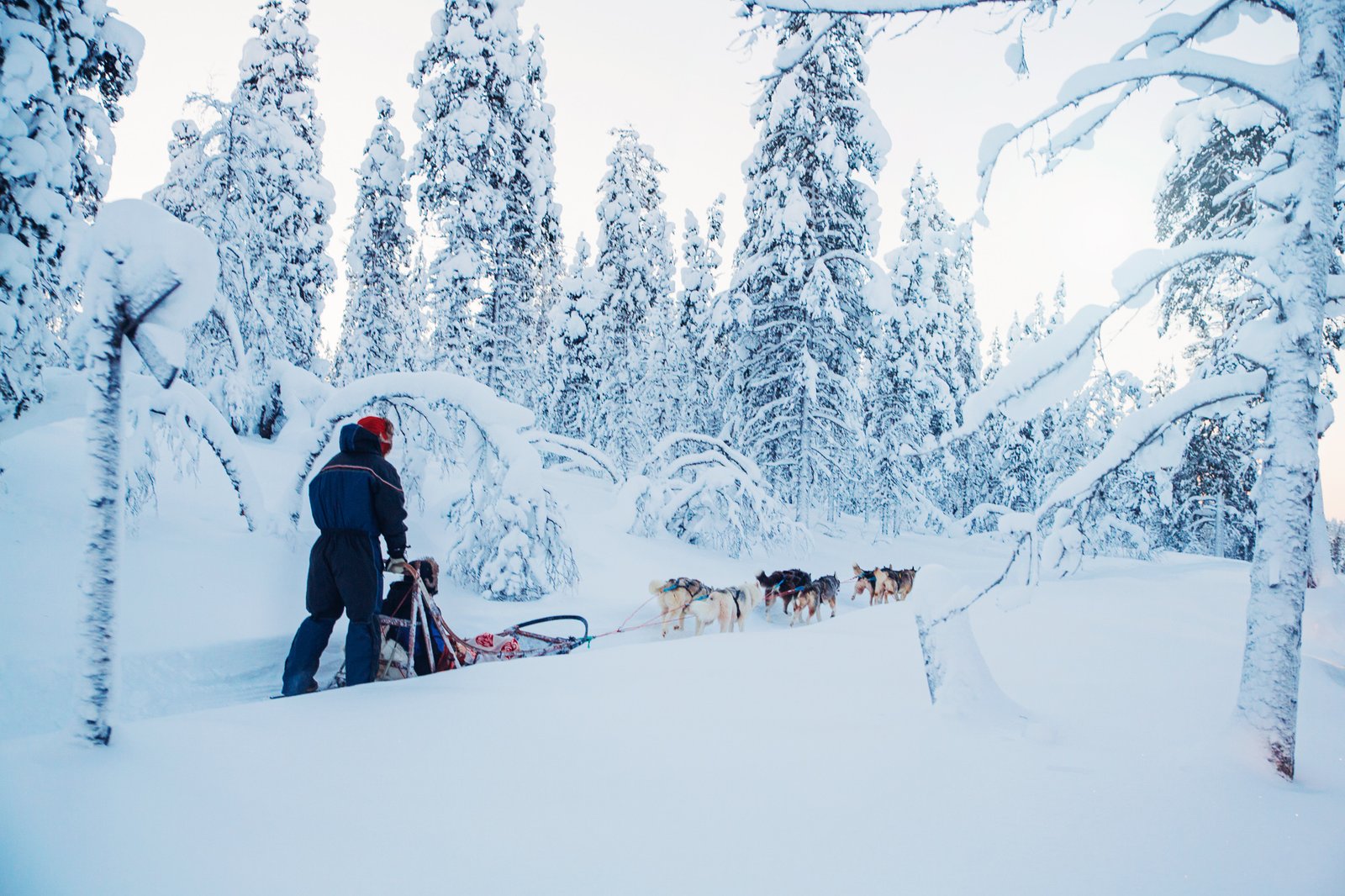
Shared-sleigh safaris from two hours upward, with an open-fire break in the wilderness. Self-drive sleds and a two-day overnight run are available at some properties.
ENQUIRE NOW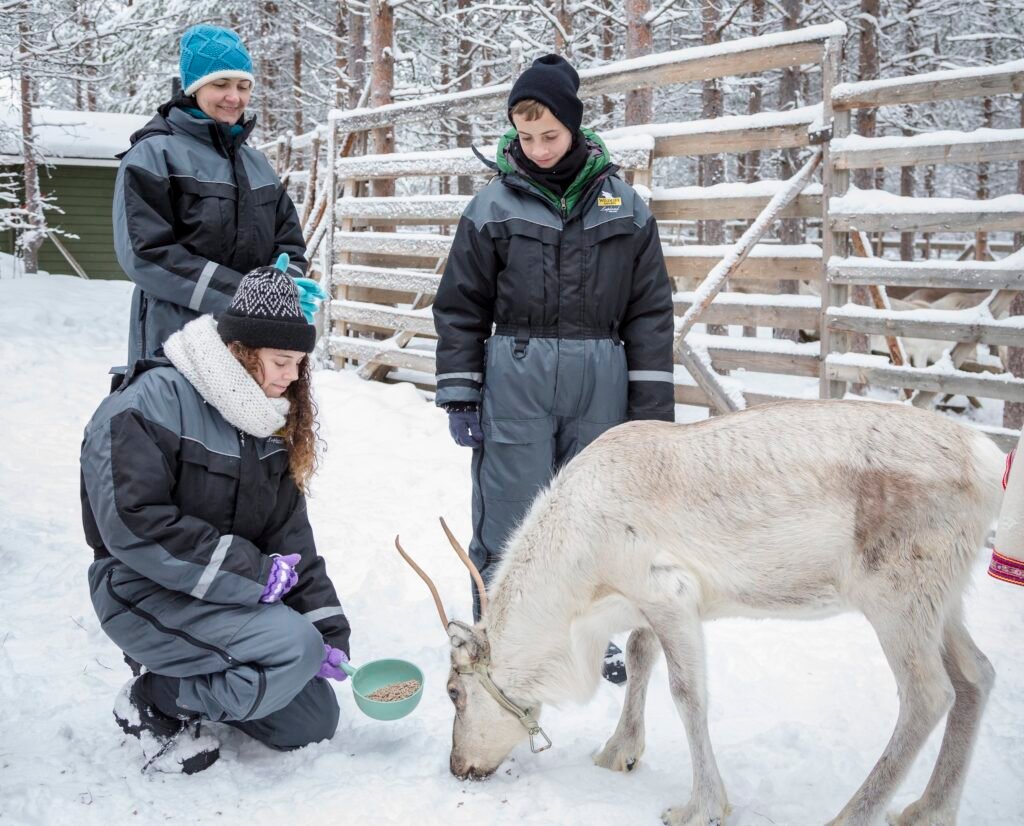
A traditional sleigh ride through winter forest, and a farm visit that works for small children — often the part of the week the youngest ones remember.
ENQUIRE NOW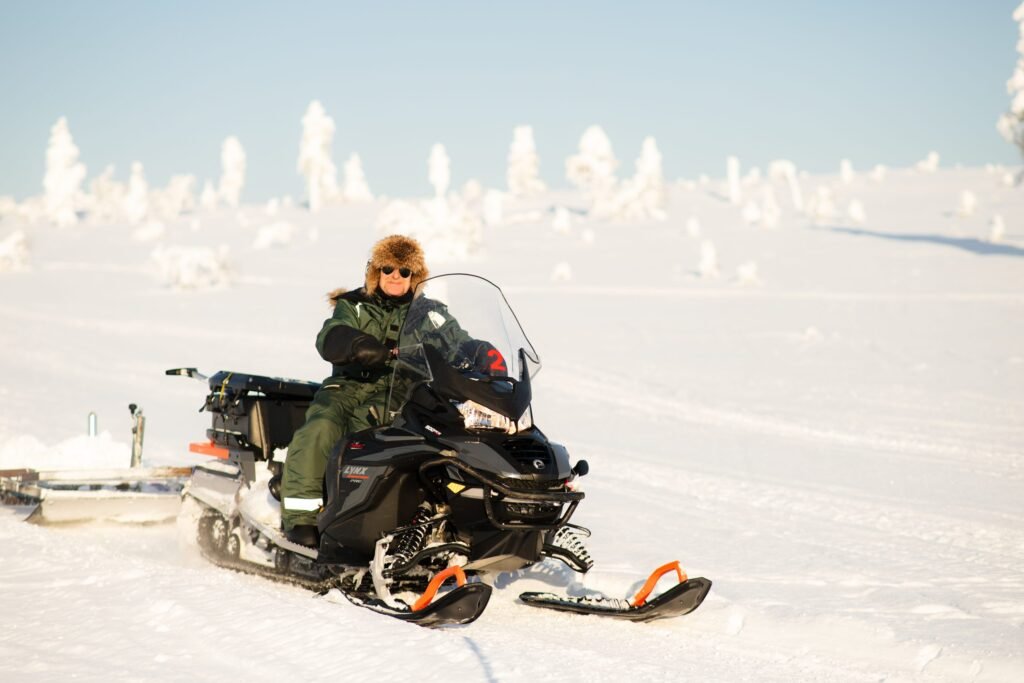
Guided runs across frozen lake and forest trail, including dedicated aurora hunts once it is properly dark.
ENQUIRE NOW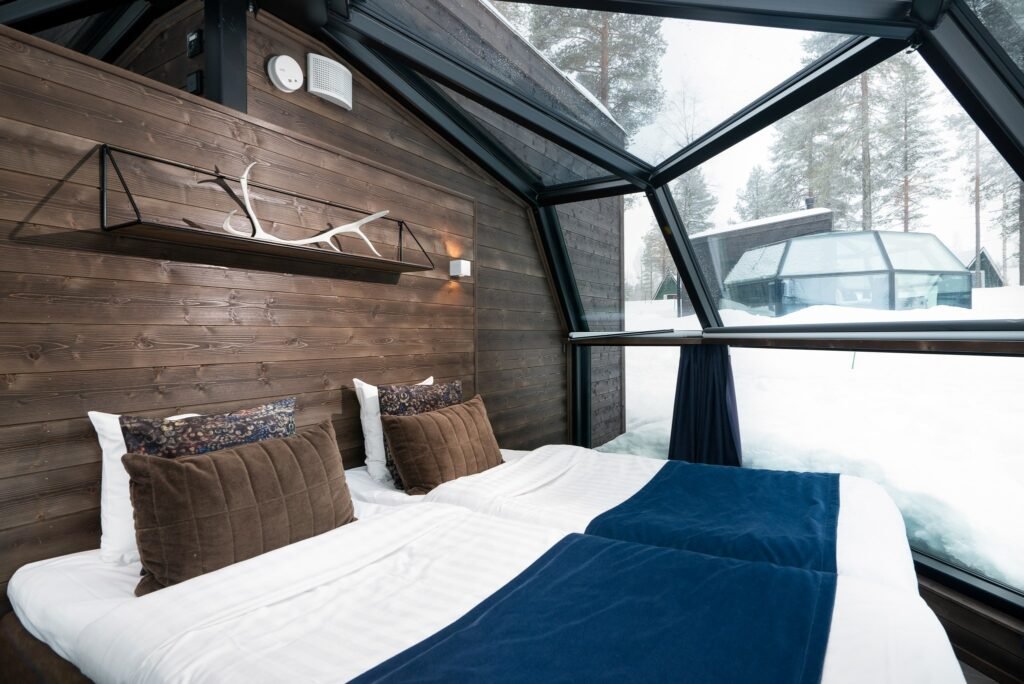
A heated room with nothing between you and the sky. All six properties build the idea differently — full dome, partial pane over the bed, or a whole glass-roofed cabin.
ENQUIRE NOW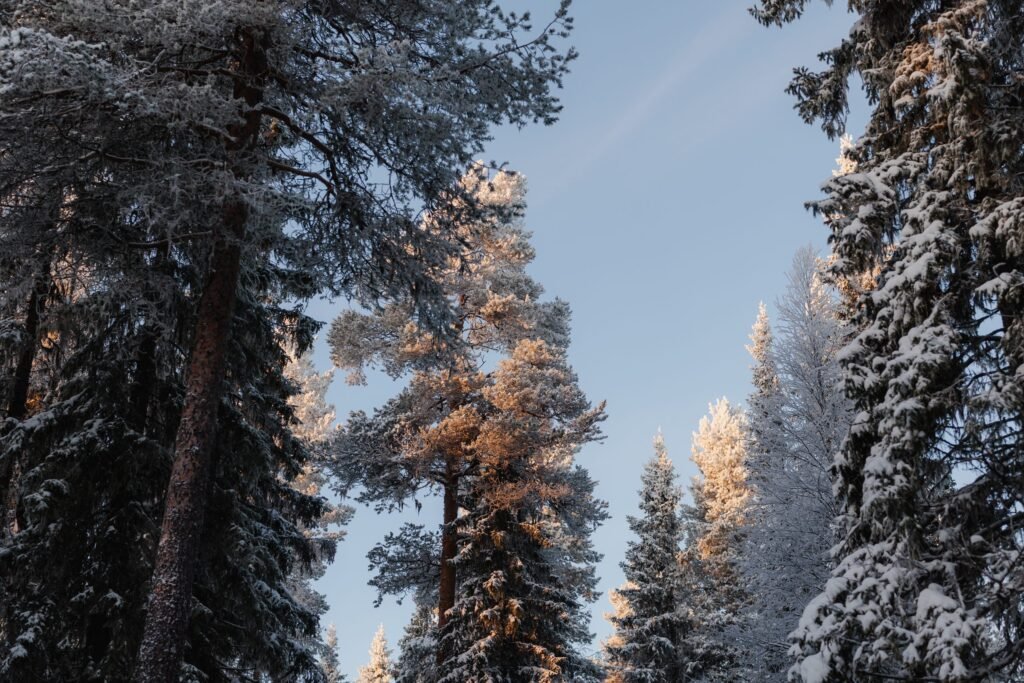
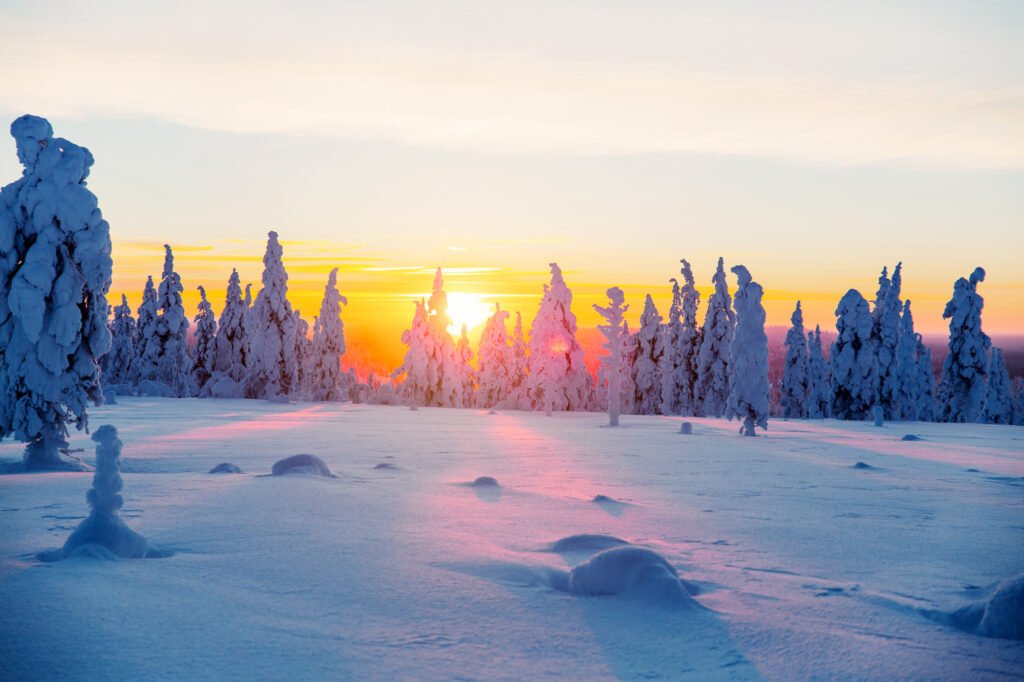
Snowshoe trails and cross-country tracks through frost-locked forest — and the short, low light Lapland gets in the middle of winter.
ENQUIRE NOWPlan your Lapland
Answered by Rahul, in his words — from the properties’ own material, from Finland’s own meteorological and tourism sources, and from his own trips. If yours is not here, ask him; the answer is the same either way.
February or March, unless Christmas itself is the reason you’re going. December is Santa and the festive atmosphere, and it is also the busiest, the priciest and the darkest — around two and a half hours of daylight in Rovaniemi. January brings the deepest cold and long, dark aurora windows, but it is the hardest month physically, with about four hours of light. February is the best all-round balance: the snow is established, every activity is running, you get around eight hours of daylight and the nights are still properly dark. March is my pick for families, active travellers and anyone flying in from Australia — deep snow, milder air, about twelve hours of light, and evenings still dark enough for the lights. The mistake I see most is assuming December is best because its marketing is the loudest. December is best if you are buying Santa.
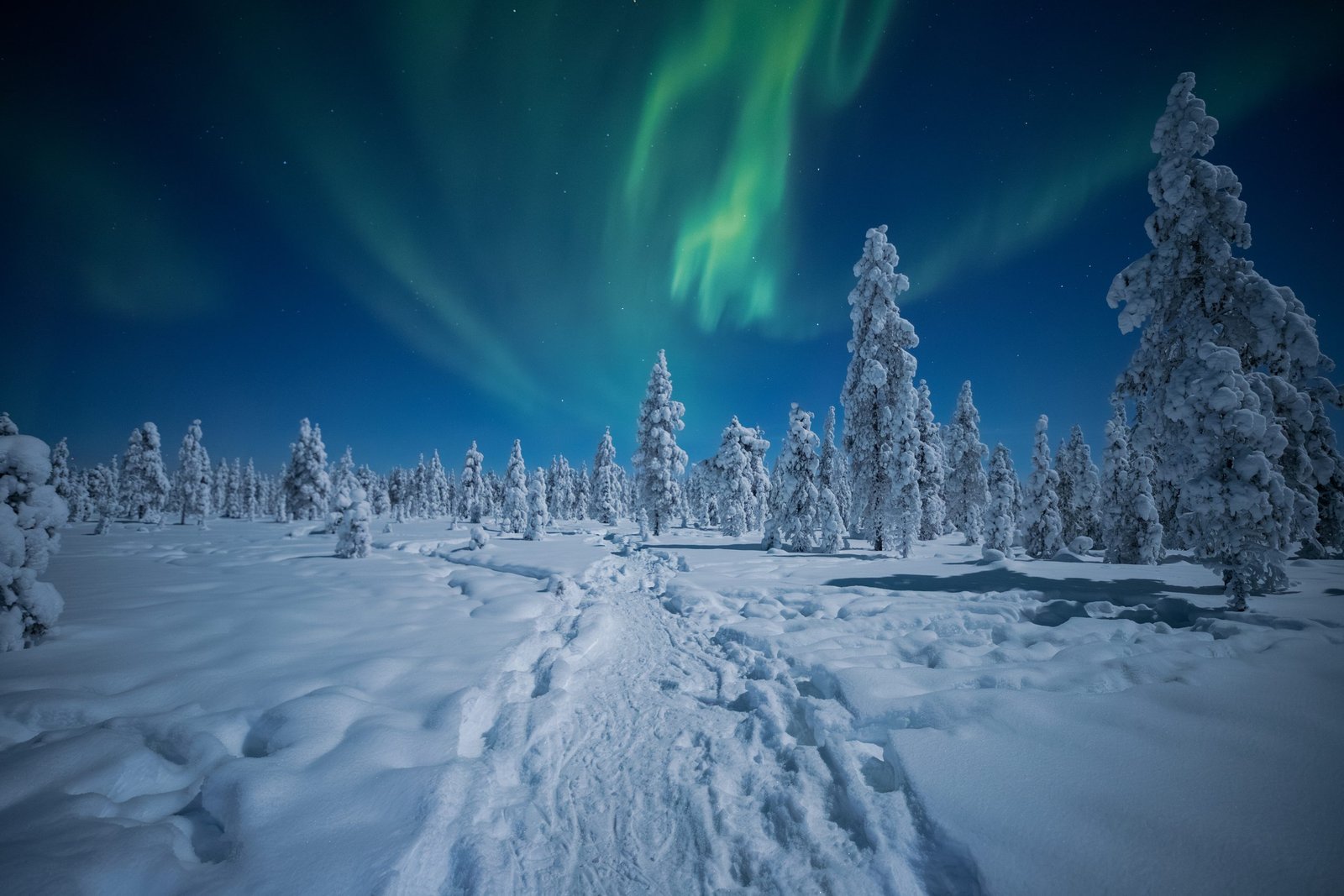
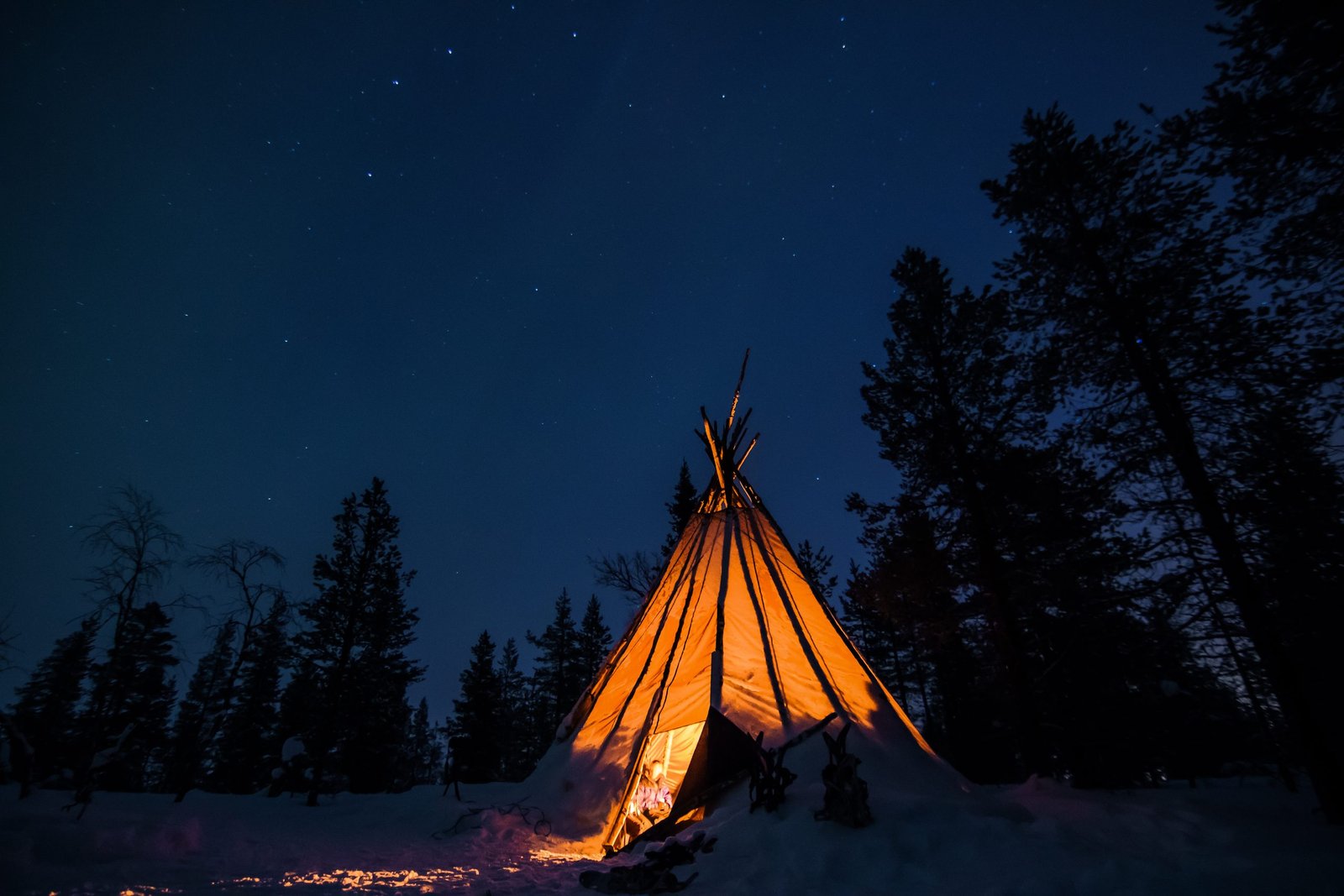
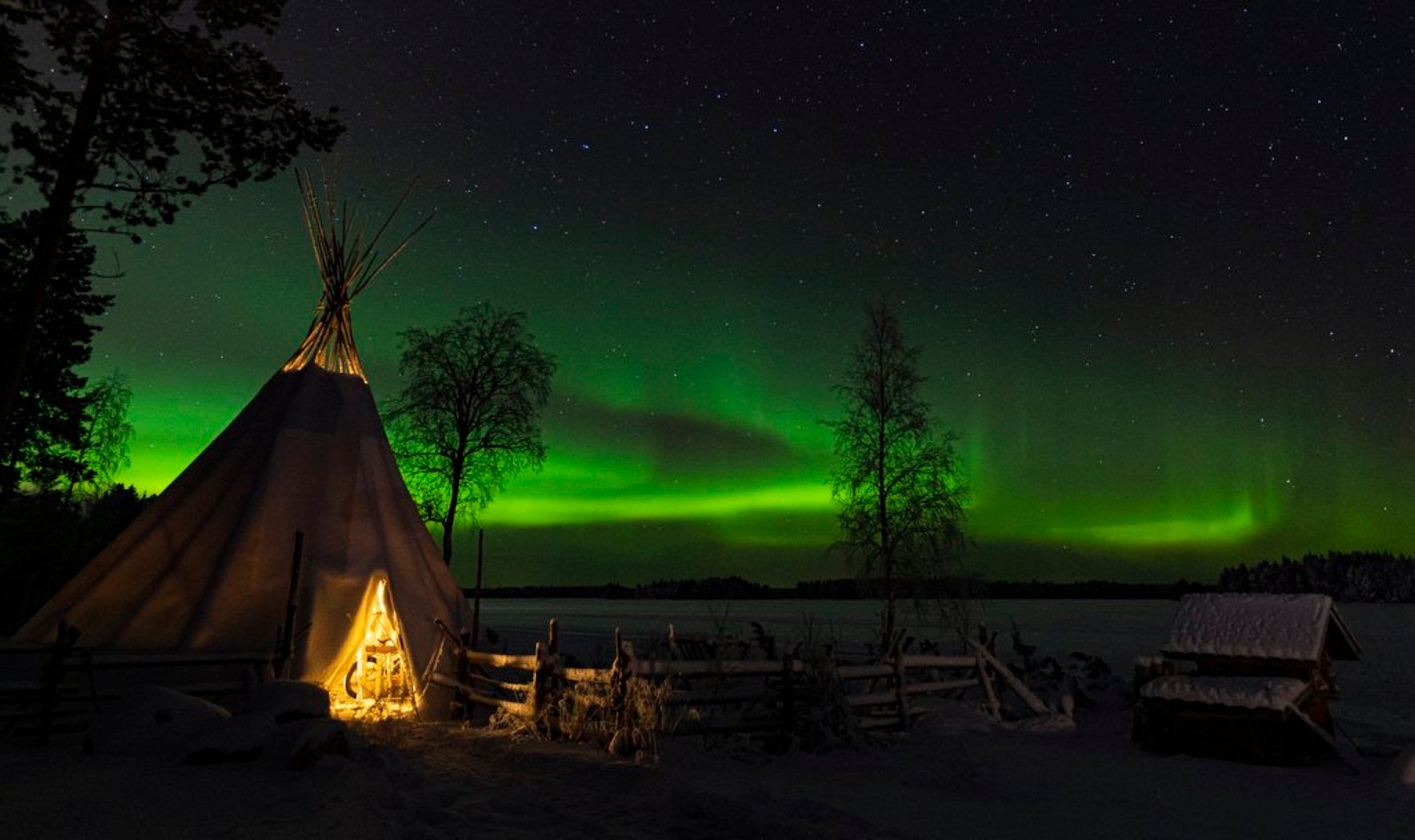
Three things have to line up: darkness, clear skies and solar activity — and nobody controls the last two. That is why no date can be sold as a guarantee. The season in Finnish Lapland runs from the end of August through to April. If you are a couple, I would point you at late January to early March: January is the deepest and darkest, February is the best balance, and March is milder with nights still dark enough. What matters more than the month is giving yourself at least four or five nights, and staying somewhere genuinely dark — Northern Lights Village puts glass-roofed cabins well away from town lights. A glass roof makes the watching comfortable; it does not create an aurora or clear the cloud. And do not pick January because someone told you it is the best aurora month — pick it because you want deep Arctic winter.
Rovaniemi is the city base. It has the original Santa Claus Village, some genuinely amazing husky farms and the Christmas markets — and it is where Santa Claus Holiday Village, Arctic SnowHotel and Santa Claus Elves Hotel are. Saariselkä is further north, which gives you better aurora odds, and it is where you find real Sámi culture; that is Kakslauttanen and Northern Lights Village. Pyhä has the same northern feel, and Northern Lights Village is there too. Levi is the one for Lappish culture and skiing, and that is where Levin Iglut sits. So the honest answer is that these are different trips rather than better and worse ones: Rovaniemi if you want Santa, the markets and a town to come back to; Saariselkä or Pyhä if the sky and the quiet are the point; Levi if you want to ski.
For a family, I would book the igloo for one night and base you in a cabin for the rest. The glass roof is the memory — you want it, and one night of it is usually enough. But an igloo is a small room and it gives you very little privacy, which is the part people do not think about until they are in one with children. A cabin is where you actually live for the week: bunk beds for the kids, your own toilet and shower, and at several of our properties a private sauna in the cabin itself. It also makes a real difference to what the trip costs, because a glass roof is priced as the special thing it is — so decide early whether you want it as a one-night memory or as the base for the whole stay.
Three layers and good boots. Thermals against the skin, a fleece over the top, and a proper winter overall on the outside. That outer layer is the one Australians almost never own — and it is the one you should not have to buy for a single week. Thermal clothing comes with Northern Lights Village’s own packages, and free thermal hire is something we include ourselves on several of our Lapland packages. That one is a Mykish inclusion — it comes from us and from nobody else — and it is one of the genuine advantages of booking through us rather than direct. It does not apply to every property on the shelf, so ask me which one your booking carries before you go shopping. Get that right and the rest is what you would pack for any cold trip.
Five nights if you are staying in one place, six if you are splitting across two. That is not padding — it is what it takes to fit in the activities people come for, absorb the transfers between them, and still have a stay rather than a schedule. The transfers are the part that gets underestimated: the airport, Santa, the husky farm, the icebreaker, the restaurants; they all take time out of a day, and a day in Lapland is short in December. For an Australian I would not go below five nights at all. You have flown a very long way, and a four-night Lapland stay means you spend most of it either arriving, leaving, or in a vehicle. If you are set on two bases, six is the number that makes the second one worth having.
Prices side by side, with what each package includes: Lapland packages from Australia · Lapland packages from Brisbane
Beyond our seven
Our seven contracted properties are all in Finnish Lapland. Norway, Sweden and trips that combine two or three bases are arranged by enquiry — the same planning, just without a shelf to point at.
From the Google reviews
We booked our Northern Lights Village Saariselkä package through Mykish Travels, and everything was perfectly organised. The package included airport transfers, Aurora photography workshop, snowshoe aurora expedition, husky safari, aurora …
I cannot recommend Mykish Travels enough! We just returned from the most incredible two-week trip to Finland, and everything was absolutely perfect. They organised a seamless journey for us, taking us all the way from Rovaniemi to the …
Meet your guide
Rahul has been to all seven himself — he has slept under those glass roofs — and he answers the enquiries himself too. You’re not planning a Lapland winter with a queue; you’re planning it with the person who has been in the rooms.

One honest line: the northern lights are a natural phenomenon and can’t be guaranteed — they depend on solar activity and cloud cover on the night. What we can promise is the planning: the right place, the right nights, and a stay built to give you the best possible chance.
Plan it with Rahul
Tell us who’s coming and roughly when. Rahul shortlists from the seven personally, and says plainly when one of them isn’t the right fit — which is usually the more useful half of the reply.